Heart Rate Variability Is Not a Wellness Score
Wearables present HRV as a daily verdict on your readiness. The actual physiology is more interesting — and more forgiving.
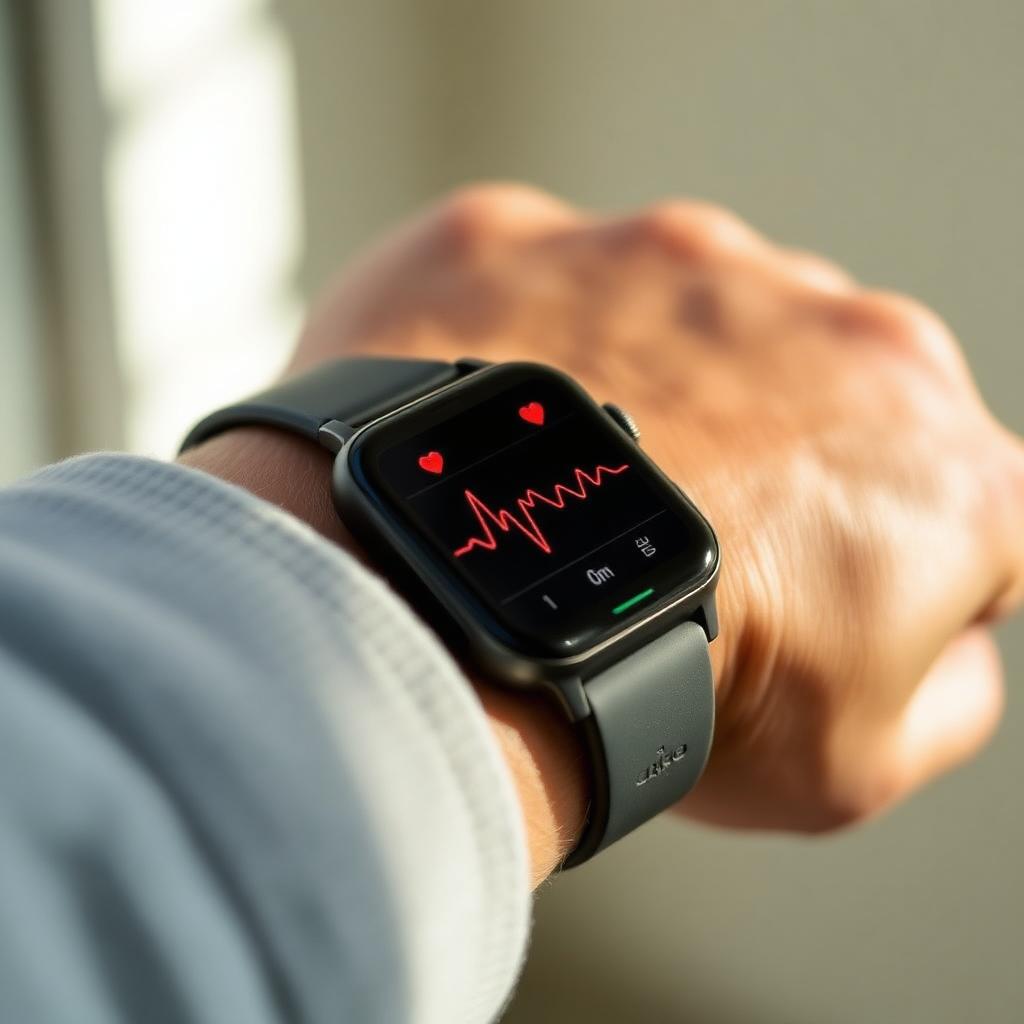
Close-up of a smartwatch on a wrist displaying a heart-rate graph.
Heart rate variability is one of the more useful physiological markers a consumer wearable can estimate. It is also one of the most misinterpreted.
What HRV measures
Beat-to-beat variation in your heart rate, driven by the balance between sympathetic and parasympathetic nervous-system activity. Higher variability generally indicates a more recovered, adaptable system.
What it does not measure
Your worth, your discipline, or how hard you should train tomorrow. A single low reading after a poor night's sleep or a glass of wine is meaningless on its own.
Trend matters. Single readings are noise.
What to look at
- Rolling 7-day average compared with your 30-day baseline
- Direction of change over weeks, not days
- Correlation with subjective recovery, not as a replacement for it
When HRV is genuinely useful
Sustained drops over weeks alongside fatigue, declining performance, or illness onset are meaningful signals. They warrant rest. A two-day dip after a hard workout does not.
The technology has matured faster than the literacy around it. Treat HRV like a check-engine light, not a daily report card.