5 Daily Habits That Quietly Build Lasting Fitness
Forget the 75-day challenge. The research consistently points to small, repeatable behaviors — and most of them do not happen in a gym.
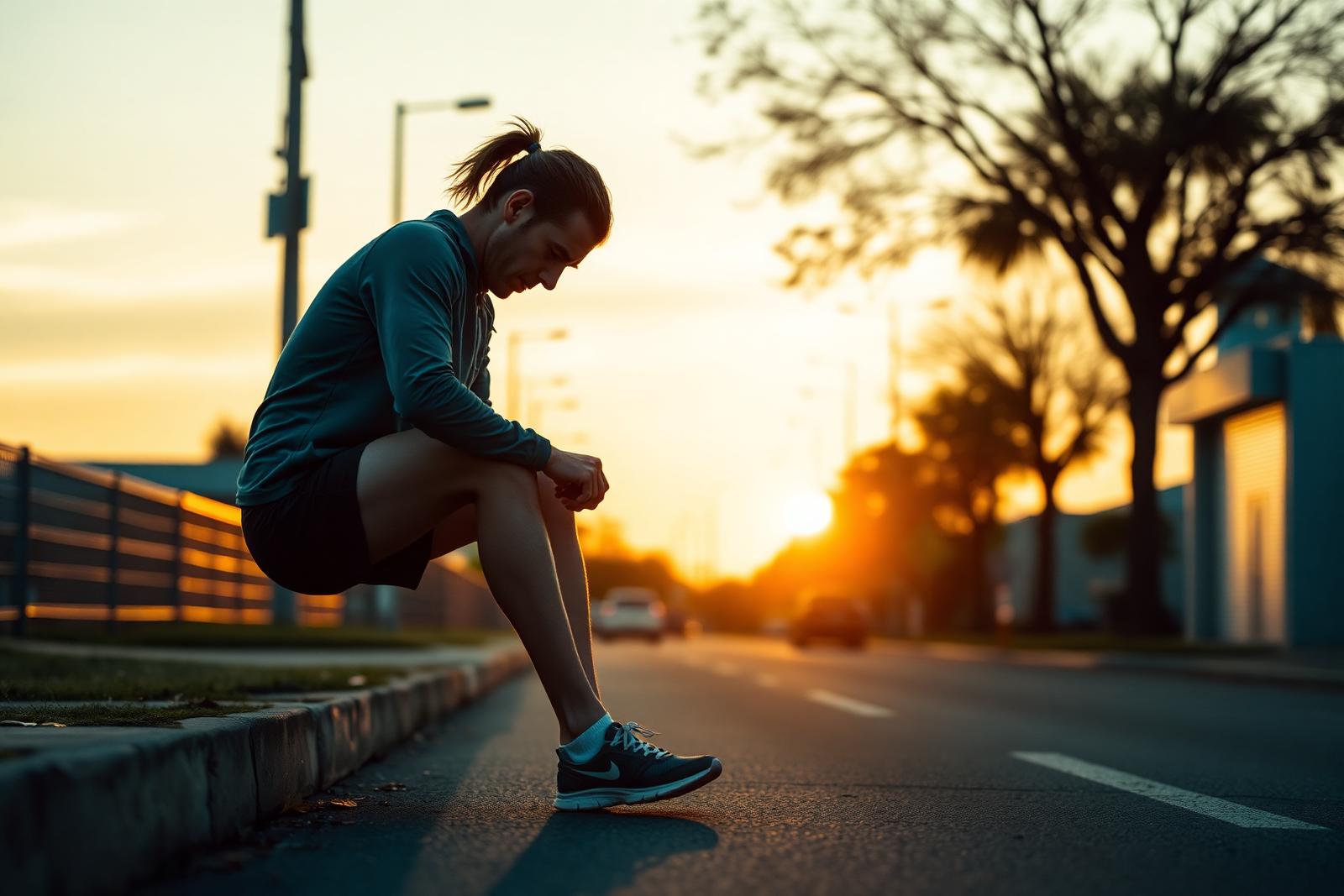
A runner lacing sneakers at sunrise on an empty street.
Fitness culture trades in extremes. Cold plunges, fasting windows, hundred-day streaks. The actual evidence on long-term health behavior is far more boring, and far more encouraging: ordinary habits, repeated, work.
Below are five behaviors that show up consistently in longitudinal research on cardiovascular health, longevity, and metabolic function. None of them require equipment. None of them require an app.
1. Walk after meals
A 2022 meta-analysis found that even a 10-minute walk after a meal blunts postprandial glucose spikes by roughly 12%. The effect compounds over years. The mechanism is mechanical — muscle contraction pulls glucose out of the bloodstream — which is why a slow walk works as well as a brisk one for this purpose.
2. Lift something heavy twice a week
Two weekly strength sessions are associated with lower all-cause mortality independent of cardiovascular exercise. The dose is small: two sets of six major lifts is enough. Most adults do zero.
The protective effect of strength training shows up in studies long before the cosmetic effect shows up in mirrors.
3. Protect sleep onset, not duration
Sleep duration gets the headlines, but consistency of sleep timing predicts metabolic outcomes more reliably. A fixed wind-down — same hour, dim light, no screens — is worth more than chasing eight hours with weekend catch-up.
4. Eat protein at breakfast
A protein-forward first meal (25–30g) blunts the hunger curve through the afternoon and supports lean mass retention as adults age. Eggs, Greek yogurt, cottage cheese, or last night's leftovers all qualify. Toast and coffee do not.
5. Spend daylight outdoors
Twenty minutes of morning daylight regulates circadian rhythm, mood, and — through a chain of cascading effects — sleep quality the following night. The bar is low. A walk to coffee counts.
- Stack new habits onto existing ones (walk after lunch, not "at 1:00 PM")
- Track for two weeks, then stop tracking
- If you miss a day, the science is unambiguous: it does not matter
The best fitness program is the one you will still be doing in five years. These five usually qualify.