Sleep Is the Cheapest Performance Drug You Are Not Taking
Hours in bed correlate with everything from strength gains to injury risk. The good news: most of the upside comes from boringly basic changes.
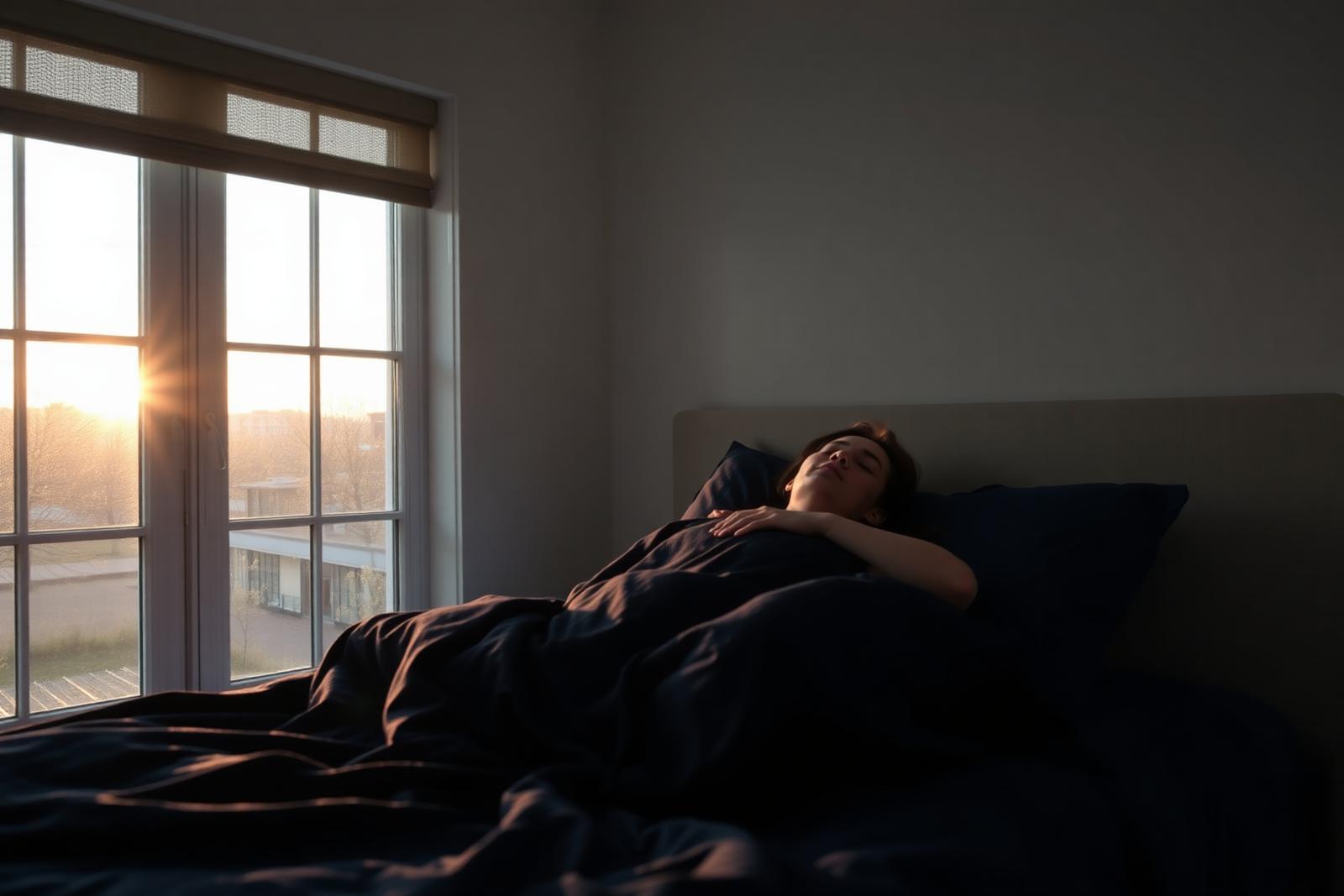
A person sleeping peacefully in a softly lit bedroom at dawn.
Ask any sports medicine physician what intervention they would prescribe if they could only prescribe one. Most will say sleep. The data is overwhelming, the cost is zero, and almost nobody does it consistently.
What sleep actually does for fitness
Strength gains, motor learning, glycogen replenishment, and tendon repair all depend on sleep. A 2020 study in collegiate athletes found that extending sleep from 6.5 to 8.5 hours improved sprint times, free-throw accuracy, and reaction times within two weeks. No other intervention produces gains that fast.
Sleep deprivation, conversely, raises injury risk. Athletes sleeping fewer than 8 hours per night were 1.7 times more likely to be injured in one prospective cohort.
If sleep were a pill, it would be the most over-prescribed drug in medicine.
The boring fundamentals
- Fixed wake time, even on weekends
- Dark, cool room (65–68°F)
- No caffeine after early afternoon
- Last meal at least two hours before bed
You do not need a wearable to tell you whether this is working. You will know within a week.
When to escalate
Persistent difficulty falling asleep, frequent waking, or daytime fatigue despite adequate time in bed are worth a conversation with a physician. Sleep apnea is dramatically underdiagnosed in adults, particularly women.
The first lever to pull, though, is the simplest one: go to bed earlier. Most people are surprised at how much that alone does.