Why Ozempic Supply Is Still Uneven — and When It Should Stabilize
Manufacturing GLP-1 medications is harder than it looks. A look at the bottlenecks driving pharmacy shortages into the second half of 2026.

A physician reviews patient charts on a tablet in a softly lit clinic.
Patients have been calling pharmacies for two years asking the same question: why is it so hard to fill a semaglutide prescription? The short answer is that GLP-1 drugs are genuinely complex to manufacture, and demand has outpaced every projection.
The bottleneck is downstream
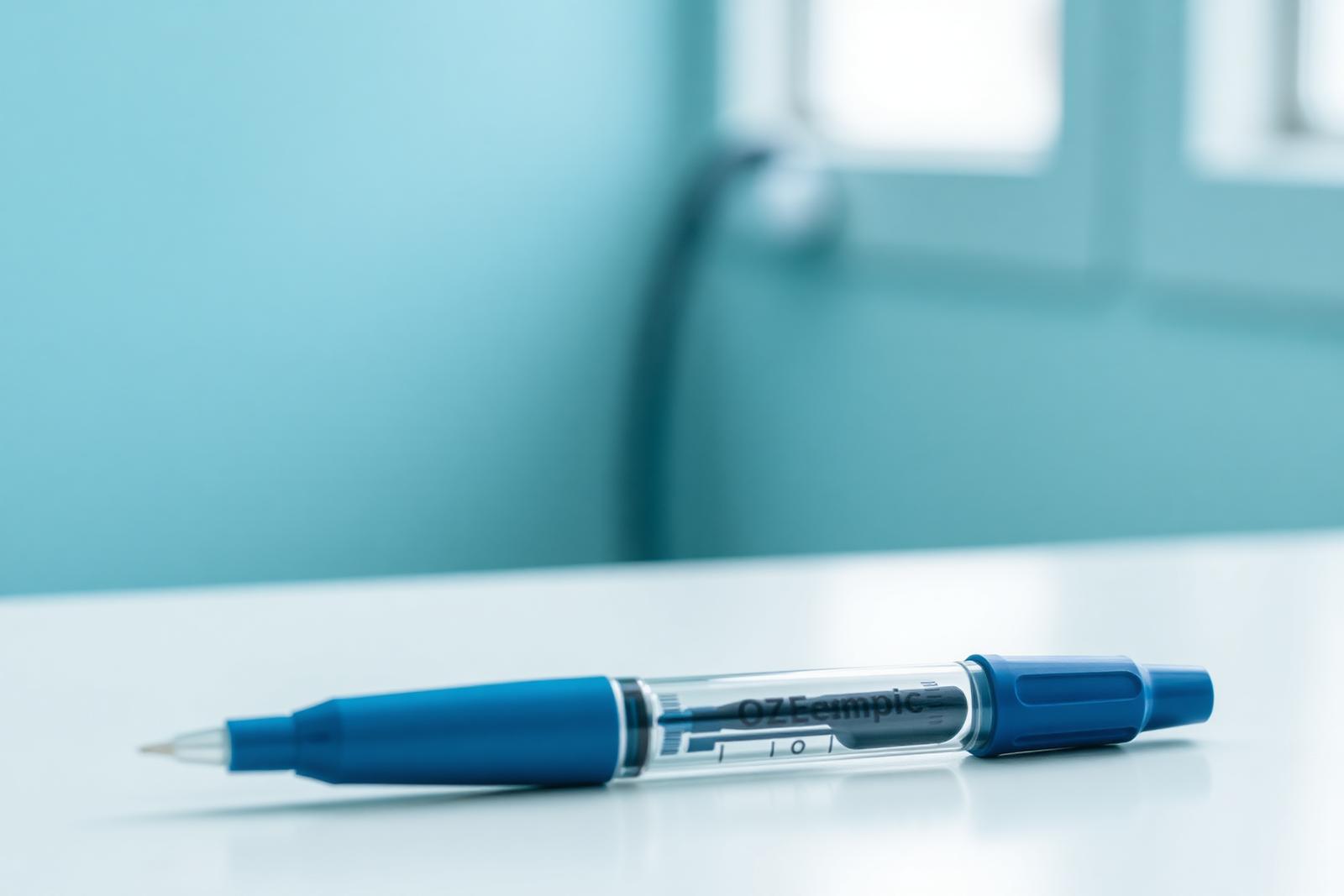
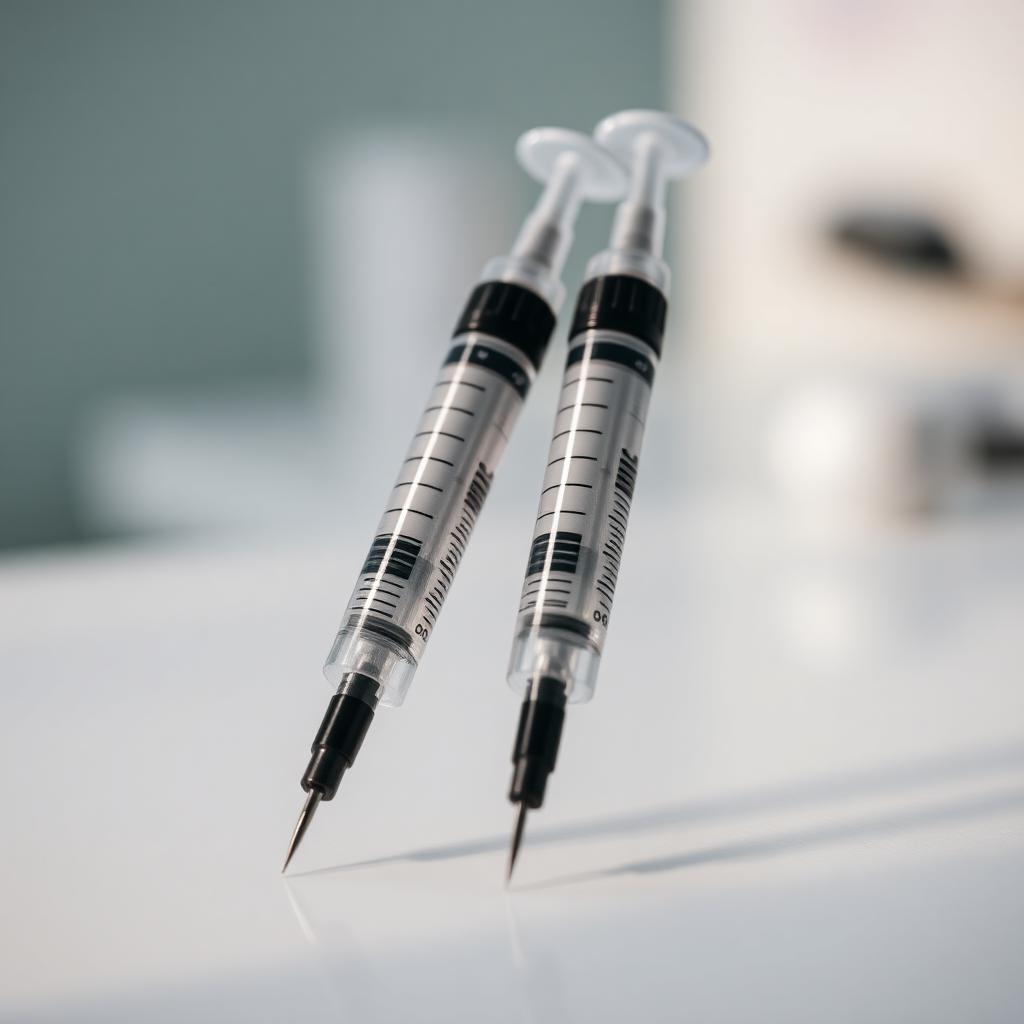
The active pharmaceutical ingredient is not the constraint. Sterile fill-finish capacity is. Each injection pen requires a multi-step aseptic process, and the global supply of fill-finish lines that meet regulatory standards is finite. Manufacturers have been adding capacity since 2023, but new lines require 18 to 24 months to validate.
What is actually changing
Two new fill-finish facilities came online in early 2026. A third is in qualification. Industry forecasts now point to balanced supply by Q4 of this year for the most common doses. Higher doses may remain constrained into 2027.
Compounding pharmacies filled the gap when supply was tight, but FDA enforcement has tightened as branded supply recovers.
What patients can do
- Use a single pharmacy when possible — automatic refills get prioritized
- Ask about 90-day fills if your plan allows
- Lower starting doses (0.25 mg, 0.5 mg) are more available than maintenance doses
The shortage will end. The patience required to get there is real.