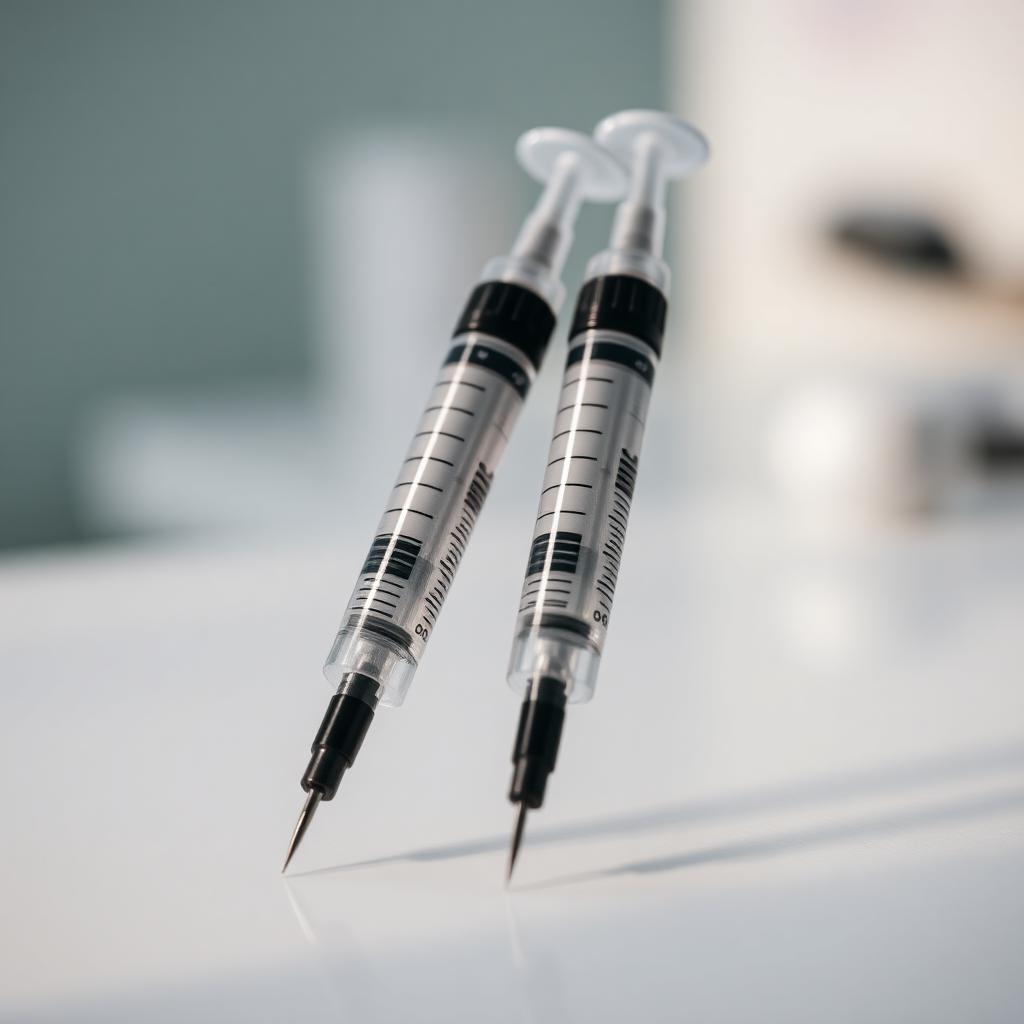
Compounded GLP-1s: What the FDA Crackdown Means for Patients
Compounded semaglutide kept many patients medicated through the shortage. As branded supply returns, the legal and safety landscape is shifting fast.
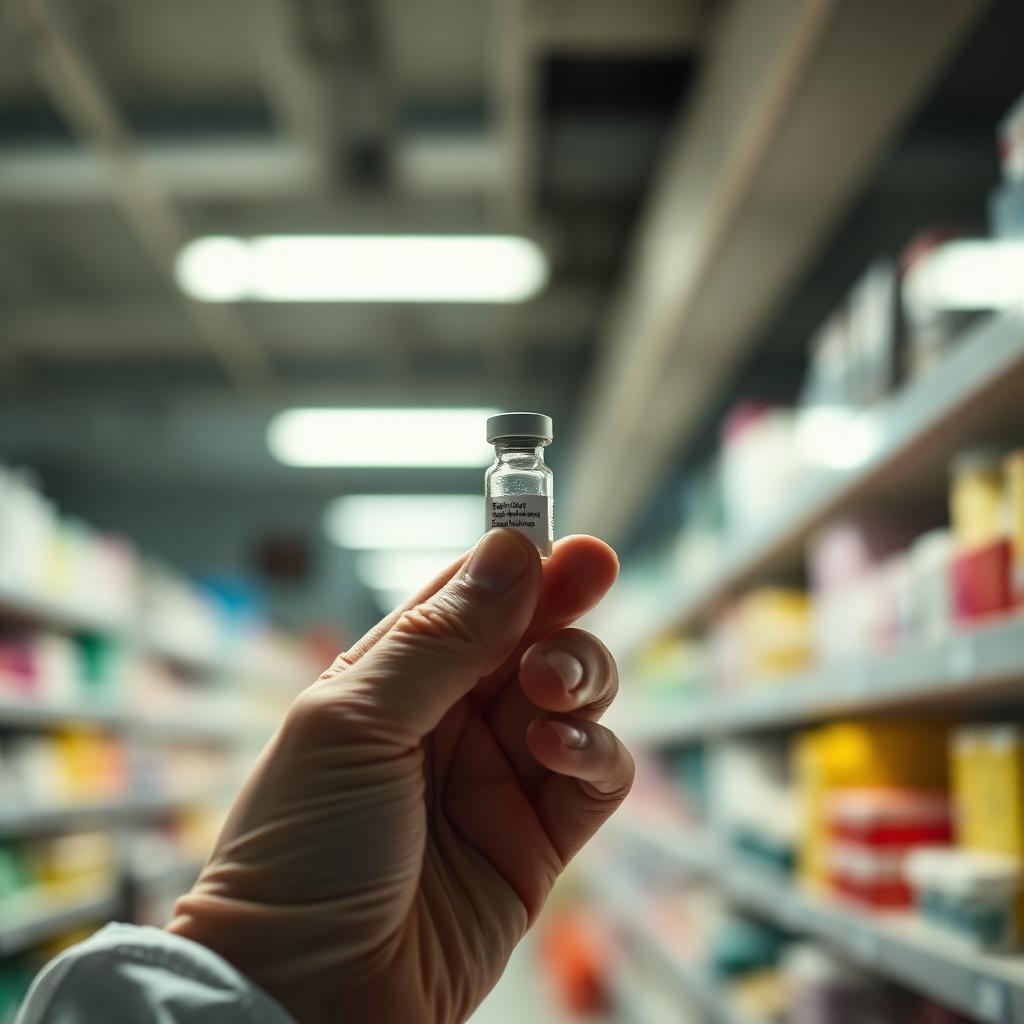
A gloved hand holding a small medication vial in a pharmacy aisle.
Compounding pharmacies stepped into a real gap during the 2023–2025 shortage. With branded supply recovering, the FDA's tolerance has narrowed sharply.
What changed
The agency removed semaglutide from the official shortage list earlier this year. Once a drug leaves the list, the legal basis for routine compounding largely disappears. Several large compounders have already paused new prescriptions.
What is still legal
Patient-specific compounding for documented clinical need — allergies to inactive ingredients, dose forms not commercially available — remains permitted. Bulk compounding for cost reasons does not.
"Cheaper" was never a regulatory justification. It was tolerated because supply was constrained.
Safety signals worth knowing
The FDA has logged hundreds of adverse-event reports linked to compounded versions, primarily dosing errors. Compounded vials are typically multi-dose, requiring patients to draw their own injections — a step the branded pen eliminates.
What patients should do
- Confirm whether your current source is operating legally
- Ask about pharmacy accreditation (USP 797 compliance)
- If you switch to branded, expect a re-titration period
The transition will not be smooth, but the direction is clear.